Featured
Table of Contents
Equally as you 'd see a doctor for a physical wellness issue, speaking with a psychological health professional for emotional or psychological difficulties is a clever, aggressive choice. If you're still on the fencing concerning whether therapy is appropriate for you, start with the 10 points nobody informs you regarding beginning therapy or several of one of the most often asked inquiries regarding therapy. Beyond the study, treatment gives functional benefits that prolong much past signs and symptom reduction.
A therapist helps you make feeling of what you're feeling, offering assistance and understanding that can be grounding, especially if you've been lugging things alone for a lengthy time. When you're in the middle of stress and anxiety or unpredictability, it can be tough to see the full photo. Specialists bring an outside perspective that isn't shaped by your past, your connections, or your expectations of on your own.
Also if you're unsure, trying treatment doesn't commit you to anything long-term. Starting treatment doesn't have to be frustrating or take months.
Your specialist aids you mirror, make links, and recognize on your own with even more clearness. Relying on your objectives, you could also discover coping abilities or approaches to utilize in between sessions. Most sessions end with a fast check-in to assist you really feel based and prepared for the week ahead. That's entirely regular.
Partnership Healing Fundamentals
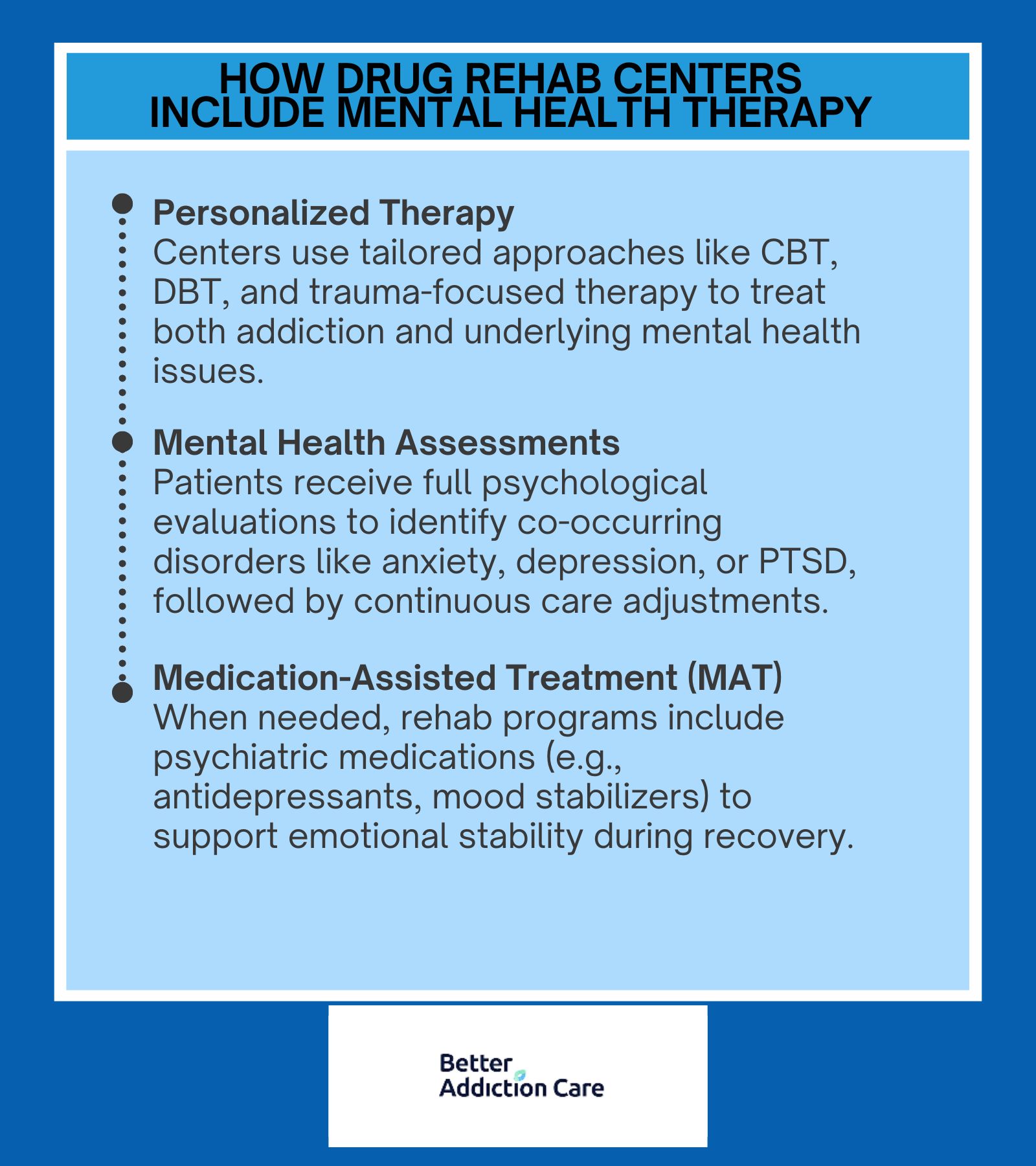
CBT concentrates on thoughts and behaviors, DBT sustains emotional regulation, and EMDR assists you process trauma. Learn more concerning finding the right treatment technique for you. Your therapist can likewise assist determine which method fits best based on your objectives and readiness. Weekly sessions prevail, but some individuals go biweekly or monthly based on their demands and progress.
Signs treatment is starting to work include managing challenges better, feeling even more based, understanding your patterns, connecting more plainly, and really feeling even more like yourself. Slow progression is still development. It's okay to switch over. The healing partnership is one of the toughest predictors of success. If something really feels off, you can speak to your specialist, or locate a person brand-new without sense of guilt. You do not need to prepare anything, but considering your objectives, sensations, and what's been going on in your life can be useful.
Treatment for teenage psychological health, clinical depression, teen stress and anxiety, and other challenges takes time and care. Various stages of the recovery procedure may require various degrees of care. It's handy to recognize the difference between inpatient vs. property treatment, as well as inpatient treatment vs. outpatient treatment. Ideal treatment thinks about a teenage's individual demands and history, along with their extent of their medical diagnosis.
For this reason, teenagers may get treatment first in an inpatient mental wellness unit of a health center, transfer to a residential setting, step down to an outpatient program, and afterwards obtain regular treatment and/or attend assistance groups at an area teenager mental university hospital. Provided all these alternatives, it can be tough for parents to identify the distinction, not to mention comprehend what their child requires to recover.
Recovery Child & Adolescent Therapy
Within those classifications are extra refined differences. Let's take a look at the distinction between inpatient and domestic treatment, in addition to inpatient vs. outpatient psychological wellness programs. The main differences in between inpatient vs. residential therapy are where it takes place, the length of remain, and the total treatment goals.

Typically, inpatient therapy is for teenagers who are in the acute stage of a psychological health and wellness condition and need constant assistance. Thirty days is normally the optimum time for inpatient teen mental wellness treatment.
Understanding Underlying Patterns Through Child & Adolescent Therapy
Some hospitals provide compound abuse therapy. On top of that, a psychiatric medical facility may have a specific system for eating problems. Generally, the goal of inpatient treatment is to stabilize the patient and guarantee they are not a danger to themselves or others. Adhering to inpatient therapy, teenagers who need lasting care are usually moved to teen domestic treatment, often referred to as household inpatient therapy centers.
domestic treatment, it's practical to comprehend that residential treatment concentrates on long-term healing rather than dilemma management. Due to the fact that teenagers remain for one to 3 months in residential treatment, there is more time to attend to the root creates of psychological wellness and behavior problems. We understand that getting to out can be difficult.
While in property treatment, customers live in a comfortable, homey setting and are monitored by trained team. Staff members include psychiatrists, therapists, counselors, registered nurses, dietitians, and experiential treatment specialists.
Repetitive Thoughts Freedom in Anxiety
It's tough for moms and dads to send their kid away from home. Nonetheless, the long-term benefits of this selection can be life transforming. Research study reveals that the framework and continuous support of a property program is the most efficient way to accomplish lasting recovery from anxiety, anxiety, injury, and co-occurring behavioral concerns like substance misuse and self-harm.
When investigating psychological wellness options, it's all-natural to start the search close to home. The ideal psychological wellness treatment for a person's details medical diagnosis and requirements might not be offered locally.
Culturally-Sensitive Approaches for Child & Adolescent Therapy
Within those classifications are more refined differences. Allow's take a look at the distinction between inpatient and household treatment, in addition to inpatient vs. outpatient psychological wellness programs. The primary distinctions between inpatient vs. household therapy are where it takes place, the size of remain, and the general therapy objectives.
Typically, inpatient therapy is for teens who remain in the intense phase of a mental health disorder and need continuous support. Inpatient keeps usually comply with a teenager emergency clinic see for a self-destruction effort or other crisis scenario. Thirty days is normally the maximum time for inpatient teenager psychological health therapy.
Some healthcare facilities provide material abuse therapy. On top of that, a psychological hospital may have a specialized device for consuming conditions. Typically, the goal of inpatient treatment is to maintain the person and guarantee they are not a risk to themselves or others. Complying with inpatient therapy, adolescents who require long-term treatment are often moved to teen residential therapy, sometimes referred to as domestic inpatient treatment centers.
residential therapy, it's helpful to recognize that household therapy concentrates on lasting recovery rather than crisis monitoring. Because teens remain for one to 3 months in property treatment, there is even more time to resolve the source of mental health and behavioral problems. We understand that connecting can be challenging.
Confronting Approaches for Anxiety
A residential schedule for teenagers consists of clinical care, experiential tasks, and academics. While in household treatment, customers reside in a comfy, homey setting and are overseen by experienced staff. Staff members consist of psychoanalysts, specialists, counselors, registered nurses, dietitians, and experiential treatment practitioners. As we have actually seen, residential treatment is normally the following step in a teen's healing trip after inpatient care in a healthcare facility.
It's tough for parents to send their child away from home. However, the long-lasting benefits of this choice can be life transforming. Research study shows that the structure and ongoing assistance of a household program is the most efficient way to attain long-term recuperation from clinical depression, stress and anxiety, trauma, and co-occurring behavior issues like substance abuse and self-harm.
When investigating mental health and wellness choices, it's all-natural to start the search close to home. The ideal psychological health and wellness treatment for a person's certain medical diagnosis and demands may not be readily available in your area.

Latest Posts
Lasting Healing Following Relationship Therapy
Moving Past Mental Health Stigma Around Therapy
Taking Your First Step to Mental Health