Featured
Table of Contents
And you claimed that cPTSD is often a component of this. Some people may not recognize with what the C is. That's the first concern is what's the C component of the PTSD? And afterwards, what are a few of the signs? Like, what are we looking for within our clients, or perhaps in between a moms and dad and a youngster that can help us understand that several of this is what's taking place.
So C means complex. Complicated PTSD is referring to it's setting apart from the solitary incident. It's also differentiating from the presentation that commonly accompanies single event PTSD. So very often when we think of post traumatic tension, we assume along the active arousal continuum. The re experiencing symptoms in which one may really feel kind of keyed up in anxiousness or really feel panicky or the experience of that hyper vigilance and that high sensitivity, those high arousal signs and symptoms, and then there may indeed be avoidance signs and symptoms as a method to take care of all of that.
In enhancement to those three classifications, we also have a tendency to see that a few of the emotional dysregulation is not constantly in the high arousal domain name, but occasionally it's feeling closed down, broke down, defenseless, powerlessness. Not to claim that that can't occur with single event PTSD. It's just extra widespread with complicated injury, and that there's this internalization of discovered vulnerability or an extremely pervasive loss of self effectiveness regardless of what I do.
I can not obtain the residential physical violence to quit, I can't obtain them to stop consuming or I can not get them to stop hurting me. And after that we often tend to see more of the interpersonal or relationship obstacles, whether that's withdrawal or criticizing or recapitulation of abuse patterns and that there's this absence of cohesion.
Balancing Two Value Systems
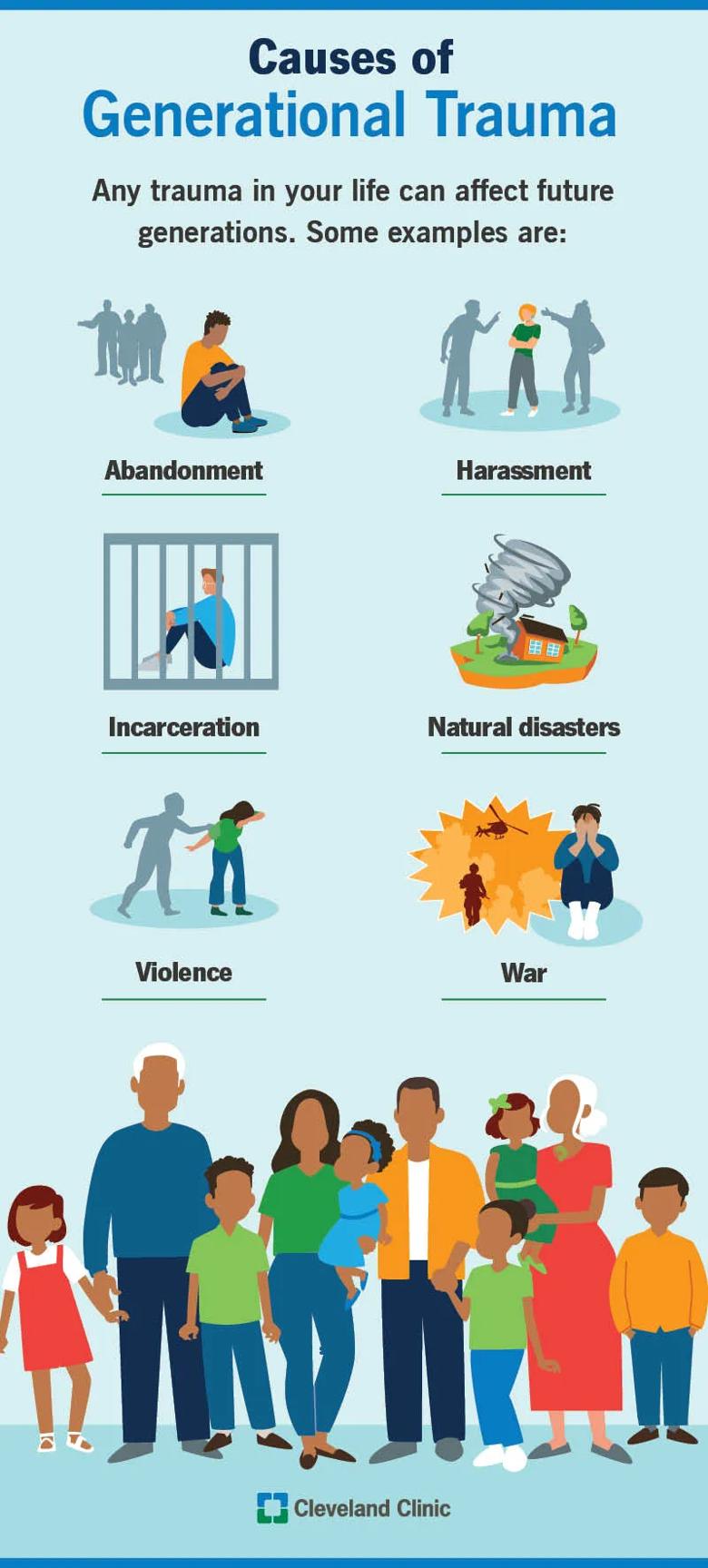
This loss of a cohesive self identity or disabilities in that self identity we often tend to see more themes around regret and pervasive, pity and a feeling of there's something incorrect with me. Yeah. So when we're considering intergenerational injury, I would certainly visualize that this is among things that we could see in the parent kid Dyad and I imagine it can look many various ways.

Yet when a moms and dad has actually that lowered ability to be conscious concerning their own accessory style or their own training or their very own injury, it can either lead them to be, as you're saying, kind of closed down. In which there is even more forget, or they're not attuned to the kid's internal world and states or they're not as attuned to their effect on the child.
Transforming Inherited Trauma Patterns
And after that once again the effects for the youngster and then we see that scientifically in the play therapy, in the play treatment area. When I'm with my client in my clinical room, whether the customer is by themselves or possibly with a moms and dad that's in the area, not only am I holding interest regarding what might be going on for them existing day or also in their more current history.
Zooming out, zooming out, zooming out, zooming out. I think that's a wonderful way of thinking of it. And the other piece to sort of feeling right into as a medical professional is that our bodies are excellent feedback systems. Right. So we're getting feedback by exactly how it really feels for you to be in the room with the other, whether that's the private child or the parent child diet regimen or the entire family members.
We know those ones. Or my very own feeling like I'm in some way currently taken advantage of by whether it's the kid or the parents. And so then we can go, what's playing out here?
So in Synergy Play treatment, among the concepts that we discuss is a principle called the offering. And the concept of the offering is from this language, the system is mosting likely to provide us a possibility to feel what it seems like to be component of the system.
Honoring Parents Without Fulfilling Their Lost Dreams
There is an energised something that's arising, and we can once more hold that as a location of curiosity that maybe information about what's taking place within the system. Right. And we as medical professionals, in order to gain access to that require, to allow ourselves to be touched by the other, to be relocated, to be impacted, it's a lot more of that.
I know we're streaming here in our discussion, and I just had one more area of curiosity that just came to a head, yet it takes us in a little bit of a different direction. As we're speaking regarding our capacity to really feel and to be with, this is where I obtain interested about you and yoga exercise and these practices that you do that you additionally educate specialists to do and also teach just anyone on the earth to do that's battling with their own trauma and PTSD.
Two aspects that attract attention to me. One is that we need energised self take care of ourselves as clinicians. We need to recognize how to cleanse the palate or clear the taste buds. We require to recognize how to also identify what is it that we're lugging after a session or after a day complete of sessions.
Locating Culturally Competent Cognitive Behavioral Therapy Care
For me, yoga exercise fulfills a great deal of that. And the process of being developing your very own embodied self awareness enables you after that to be a lot more most likely to select up on those hints as those vibration or those I can't remember what the word was chances or gifts.

Latest Posts
Building Emotional Regulation
Thriving Between Two Identities
From Hypervigilance to Regulation