Featured
Table of Contents
- – The Anxiety Epidemic: When Conventional Therap...
- – Understanding Anxiety Via a Neurobiological Lens
- – Ketamine's One-of-a-kind Device for Anxiousnes...
- – Clinical Applications Throughout Stress And An...
- – Generalized Stress And Anxiety Condition
- – Panic Condition and Agoraphobia
- – Social Anxiousness Problem
- – Integrating Evidence-Based Treatments with Ket...
- – EMDR for Anxiety Origins
- – Accelerated Resolution Treatment for Anxiousn...
- – Inner Family Solutions for Anxious Components
- – Medical Methods: Framework and Shipment
- – Comparing Ketamine Approaches to Standard Anxi...
- – Neuroplasticity and Long-Term Anxiousness Redu...
- – Safety Considerations and Taking Care Of Assum...
- – Who Profits The Majority Of from Ketamine Trea...
- – The Future of Ketamine for Anxiousness Conditions
- – Integration: Maintaining Modification Beyond t...
- – Verdict: A New Standard for Anxiety Therapy
The Anxiety Epidemic: When Conventional Therapies Fail
Anxiety problems stand for the most typical psychological health and wellness condition in the USA, influencing roughly 40 million adults annually. From generalized anxiety condition (GAD) to panic attack, social stress and anxiety, and phobias, these conditions develop pervasive patterns of fear, fear, and evasion that severely limit high quality of life. While cognitive-behavioral treatment and medications like SSRIs assist several patients, a significant portion-- price quotes recommend 30-40%-- don't accomplish adequate relief from first-line treatments.
Traditional anxiety therapy usually includes once a week therapy sessions showing coping skills, cognitive restructuring, and steady exposure to feared situations. Drugs might reduce signs and symptoms but usually need months to get to complete efficiency and come with adverse effects consisting of emotional blunting, weight gain, and sex-related disorder. For those with treatment-resistant anxiety, the cycle of attempting different medicines and therapies can extend across years, with mounting aggravation and lessening hope.
The chronic activation of the body's stress feedback takes an extensive toll. Stress and anxiety sufferers experience elevated cortisol, interrupted sleep, digestive concerns, muscular tissue stress, and increased risk for cardio issues. Beyond physical health, anxiousness tightens life itself-- decreasing social invitations, staying clear of profession possibilities, restricting traveling, and producing a tightening spiral of fear-driven choices. The requirement for a lot more effective, faster-acting treatments has never been even more immediate.
Understanding Anxiety Via a Neurobiological Lens
Stress and anxiety problems occur from dysregulation in several mind systems. The amygdala-- the brain's fear facility-- ends up being hyperresponsive, triggering alarm signals to dangers both genuine and envisioned. The prefrontal cortex, which generally modulates psychological actions and offers reasonable point of view, reveals reduced activity in stress and anxiety disorders. This develops a neurobiological discrepancy where fear reactions dominate and reasoning capability reduces.
Neurotransmitter systems also play vital duties. GABA, the mind's main repressive neurotransmitter, is frequently lacking in anxiety conditions, minimizing the brain's ability to "put the brakes on" distressed thoughts and physical stimulation. Glutamate, the excitatory neurotransmitter, might be over active, keeping neural circuits in a state of hypervigilance. Serotonin dysregulation influences mood and stress patterns, while norepinephrine drives the physical signs of anxiousness consisting of racing heart, sweating, and shivering.
Perhaps most notably, anxiety produces inflexible neural pathways-- regular patterns of thought and reaction that come to be deeply ingrained via repetition. The brain basically learns to be distressed, producing "fret circuits" that turn on immediately in action to triggers. These established patterns resist change exactly since they've become so well-established. Damaging free requires not simply new coping methods however actual rewiring of semantic networks-- a procedure called neuroplasticity.
Ketamine's One-of-a-kind Device for Anxiousness Relief
Ketamine-Assisted Intensive Retreats provides a fundamentally various strategy to stress and anxiety treatment. Unlike SSRIs that slowly enhance serotonin over weeks, or benzodiazepines that offer short-term sign reductions, ketamine appears to help with rapid restructuring of the neural circuits underlying stress and anxiety.
As an NMDA receptor antagonist, ketamine regulates glutamate task, momentarily disrupting the hyperactive neural patterns particular of anxiousness disorders. This develops a window of decreased stress and anxiety and increased cognitive flexibility-- a state where new patterns can be established. Research shows that ketamine causes fast synthesis of brain-derived neurotrophic variable (BDNF) and promotes synaptogenesis, the development of new neural connections, particularly in the prefrontal cortex and hippocampus.
The healing impacts usually begin within hours instead than weeks. Individuals define a feeling of mental "space"-- reduced rumination, quieter psychological babble, and lowered physical tension. This isn't simply signs and symptom reductions yet shows up to represent actual changes in brain connection. Neuroimaging researches have actually shown that ketamine stabilizes hyperconnectivity in anxiety-related mind networks while boosting connection in areas connected with psychological policy.
The dissociative buildings of ketamine additionally offer therapeutic functions for anxiousness. By developing mental range from distressed ideas and feelings, ketamine permits clients to observe their stress and anxiety patterns without being overwhelmed by them. This meta-cognitive awareness-- seeing anxiousness as a phenomenon rather than being consumed by it-- stands for an important change that can continue beyond the medicine session itself.
Clinical Applications Throughout Stress And Anxiety Conditions
Ketamine-assisted psychiatric therapy shows pledge across the spectrum of anxiousness problems, though research study and clinical methods differ by specific disorder.
Generalized Stress And Anxiety Condition
GAD includes relentless, extreme fret about numerous life domain names-- health, finances, relationships, job-- commonly gone along with by physical signs and symptoms like muscle mass stress, fatigue, and trouble focusing. Traditional CBT for GAD focuses on identifying and testing concern patterns, yet development can be frustratingly sluggish for those whose worry has actually become deeply habitual.
Ketamine treatment for GAD appears to disrupt the rumination loopholes that identify the condition. People report that the constant psychological discourse and disastrous reasoning that usually dominates their recognition reduces dramatically, occasionally within hours of treatment. This reduction in mental sound develops room for brand-new cognitive patterns to develop. When integrated with treatment during integration sessions, people can better discover and exercise much healthier thought patterns without the overwhelming disturbance of chronic concern.
Panic Condition and Agoraphobia
Panic disorder includes reoccurring, unexpected anxiety attack-- intense episodes of anxiety come with by signs and symptoms like racing heart, shortness of breath, breast pain, lightheadedness, and worry of dying. The worry of having one more anxiety attack typically causes agoraphobia, where individuals avoid scenarios or locations where getaway could be difficult.
Ketamine's rapid anxiolytic impacts may assist break the fear-of-fear cycle that keeps panic attack. The medicine experience itself can demonstrate to individuals that intense physical sensations don't necessarily result in catastrophe-- a kind of experiential understanding that enhances traditional direct exposure treatment. Some programs make use of ketamine sessions as prep work for exposure job, lowering awaiting anxiousness sufficient for people to involve with feared situations they've prevented for years.
Social Anxiousness Problem
Social stress and anxiety entails extreme concern of social situations, especially those including potential judgment or examination. The disorder can be devastatingly separating, leading to avoidance of job, institution, connections, and day-to-day tasks entailing social interaction.
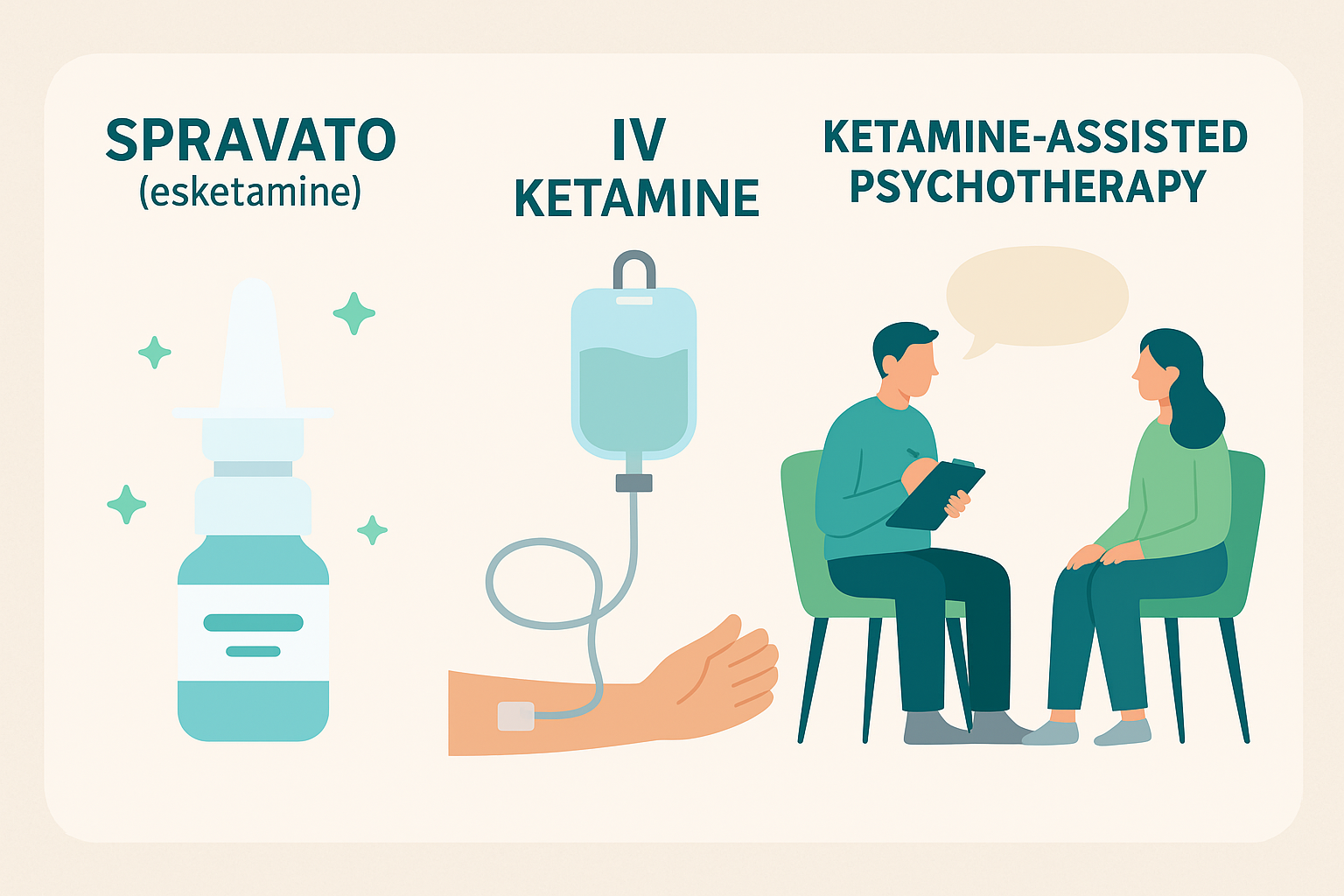
The neuroplastic effects of ketamine may aid people restructure deeply deep-rooted ideas regarding social situations and their very own social capability. During assimilation sessions complying with ketamine administration, therapists can aid clients examine and revise the negative self-perceptions and catastrophic predictions that sustain social anxiety. The momentary reduction in self-consciousness that ketamine offers can provide a glimpse of what social simplicity might feel like, functioning as a therapeutic target for continuous work.
Integrating Evidence-Based Treatments with Ketamine
One of the most advanced ketamine programs for anxiety do not rely upon medication alone however incorporate multiple healing techniques to produce extensive, lasting adjustment.
EMDR for Anxiety Origins
While EMDR Treatment Intensives is best known for trauma therapy, it's progressively acknowledged as efficient for anxiety disorders, especially when stress and anxiety has clear roots in past damaging experiences. Many anxiousness disorders develop complying with details occasions-- panic assaults following a clinical emergency situation, social anxiety after embarrassing experiences, or generalised anxiousness originating from childhood insecurity.
EMDR aids patients reprocess the memories underlying their stress and anxiety, lowering their psychological charge and altering their significance. When incorporated with ketamine's neuroplastic effects, EMDR can deal with remarkable rate. People might recycle in a solitary session memories that have sustained years of anxiousness. The reciprocal stimulation made use of in EMDR shows up to work synergistically with ketamine's results on memory reconsolidation, allowing for much deeper and much more fast processing.
Accelerated Resolution Treatment for Anxiousness Imagery
Accelerated Resolution Therapy (ART) offers powerful tools for dealing with the aesthetic components of stress and anxiety. Lots of anxiety victims experience intrusive psychological pictures-- picturing devastating circumstances, envisioning been afraid results, or consistently "seeing" past unpleasant minutes. These images fuel anxiousness and maintain worried system arousal raised.
ART aids individuals change these stressful images into even more neutral or favorable choices with a procedure of voluntary picture replacement. When used in combination with ketamine therapy, ART can swiftly deal with details anxiety-provoking images that surfaces during medicine sessions. The mix permits for both exploration of anxiety patterns during ketamine experiences and targeted resolution of particular worry material during artwork.
Inner Family Solutions for Anxious Components
Inner Family Equipments Therapy (IFS) provides a framework for understanding anxiety as occurring from safety "components" of the psyche. From an IFS perspective, distressed parts established as strategies to avoid damage-- the component that constantly checks for risk, the component that stays clear of social situations to stop rejection, the component that stresses fanatically to preserve control.
Ketamine shows up to help with access to Self-energy-- the calm, thoughtful core from which patients can associate with their nervous get rid of inquisitiveness rather than judgment. Several individuals report that throughout ketamine sessions, they finally recognize why their anxiety exists and can establish concern for the components trying to secure them. This change from dealing with anxiety to recognizing it stands for a crucial restorative pivotal moment. Combination work utilizing IFS assists patients maintain this caring connection with their anxious components, working out brand-new, less limiting ways of remaining safe.
Medical Methods: Framework and Shipment
Ketamine-assisted psychotherapy for anxiety generally starts with comprehensive analysis consisting of stress and anxiety symptom extent, certain triggers, past treatment background, and clinical screening. Clinicians evaluate the nature of the anxiousness-- is it mostly cognitive (worry and rumination), somatic (physical signs), or behavioral (avoidance patterns)? This assessment guides the integration of certain therapeutic techniques.
The ketamine administration stage most frequently utilizes sublingual lozenges, intramuscular injection, or intravenous infusion. Dosing for anxiousness may differ slightly from methods made use of for depression or PTSD, with some clinicians preferring reduced dosages that decrease stress and anxiety without creating profound dissociation. The ideal dosage creates a state of relaxed recognition where anxious thoughts decrease but restorative involvement stays feasible.
Treatment regularity varies by program and specific feedback. Some intensive retreats supply ketamine sessions three to five times weekly over one to two weeks, utilizing on the neuroplastic window and keeping restorative energy. Other programs use once a week or biweekly sessions over several months, enabling progressive combination and skill-building in between medication experiences.
Integration sessions following each ketamine management are important for equating momentary relief into long lasting modification. These sessions might incorporate cognitive job examining and reorganizing anxiety-provoking ideas, somatic techniques to control nervous system activation, and particular methods like EMDR, ART, or IFS to address origin causes and keep gains.
Comparing Ketamine Approaches to Standard Anxiousness Therapy
Conventional anxiousness treatment fixate cognitive-behavioral therapy (CBT), which shows patients to determine anxious thoughts, examine their accuracy, and create more well balanced thinking. Exposure therapy systematically challenges been afraid scenarios to reduce avoidance and prove that feared end results seldom take place. These techniques have solid evidence bases and assist many clients, however they need regular method over months and can be testing for those with severe symptoms.
Medication alternatives include SSRIs and SNRIs, which call for 4-8 weeks to get to efficiency and often offer only partial signs and symptom relief. Benzodiazepines offer quick alleviation yet bring risks of dependence and cognitive problems. Beta-blockers can minimize physical signs however don't deal with underlying stress and anxiety. None of these medicines straight promote the neuroplasticity needed for lasting modification.

Ketamine-assisted extensive treatment uses a number of potential advantages. The fast start-- frequently within hours to days-- provides hope and inspiration for continued therapy. The neuroplastic results produce optimal conditions for finding out new patterns instead of simply taking care of symptoms. The extensive layout enables concentrated healing work without the disruptions and loss of energy that plague once a week outpatient therapy.
The mix with corresponding techniques addresses anxiety from multiple angles all at once. Ketamine offers neurobiological shifts and short-term sign alleviation, EMDR reprocesses underlying memories, ART transforms traumatic images, and IFS helps patients understand and deal with their protective components. This multi-layered technique acknowledges that stress and anxiety is complicated and hardly ever reacts ideally to single-modality therapy.
Neuroplasticity and Long-Term Anxiousness Reduction
The secret to ketamine's effectiveness for anxiousness likely lies in its neuroplastic effects-- the promo of brand-new neural links that permit various patterns of believing and reacting. Conventional anxiety therapies work mostly through repeating and practice: consistently difficult nervous thoughts, repeatedly dealing with been afraid situations till habituation happens. This procedure functions however can be slow-moving due to the fact that it's functioning against well-established neural pathways.
Ketamine shows up to make the mind momentarily more malleable, extra receptive to establishing brand-new patterns. It's as if ketamine loosens up the soil, making it less complicated to plant new seeds. The restorative job done during and promptly after ketamine sessions-- the cognitive restructuring, the memory reprocessing, the compassionate parts function-- gets encoded even more deeply and promptly than it might or else.
Research study sustains this device. Researches reveal that ketamine's impacts on synaptic plasticity continue beyond the severe medicine effects, developing a window of improved understanding capability that can last days to weeks. This describes why combination job throughout this duration is so critical-- it's the moment when new patterns have the finest possibility of taking root and changing old anxiousness circuits.
For clients, this equates to experiencing changes that feel qualitatively various from previous therapies. Instead of effortfully taking care of anxiety through coping skills, many report that the stress and anxiety merely comes to be less present, much less compelling. The psychological patterns that created constant fear really feel less automated. Physical tension relaxes. The world feels more secure. These aren't simply sign enhancements yet mirror real changes in just how the brain processes hazard and safety and security.
Safety Considerations and Taking Care Of Assumptions
Ketamine's security profile for stress and anxiety therapy appears positive, with most negative impacts being moderate and short-lived. The dissociative experience itself can originally increase anxiousness in some clients, though this typically reduces with duplicated sessions and proper preparation. Some people experience short-term increases in heart price and blood pressure, needing surveillance yet hardly ever causing severe problems.
The dissociative impacts need careful monitoring, specifically for anxiousness clients that may be afraid blowing up. Detailed preparation-- describing what to expect, emphasizing that the therapist stays existing, mounting dissociation as momentary and risk-free-- helps clients approach the experience with much less apprehension. For those with serious anxiety regarding the ketamine experience itself, beginning with reduced doses can develop self-confidence and experience.
One essential factor to consider is comparing suitable anxiousness decrease and potentially bothersome reductions of flexible anxiety. Some stress and anxiety is healthy and safety-- it indicates real danger and encourages necessary action. Efficient therapy minimizes extreme, disproportionate anxiousness while preserving ideal caution. Therapists work with patients to determine which anxiety offers them and which needlessly limits their lives.
Patients should comprehend that ketamine is a tool, not a cure. While some people experience lasting remission after a brief treatment course, others need continuous maintenance sessions. The toughness of renovation shows up pertaining to integration top quality, proceeded method of brand-new patterns, and life situations. Those who see ketamine as the beginning of modification instead than a single fix often tend to maintain gains extra successfully.
Who Profits The Majority Of from Ketamine Treatment for Anxiousness?
Ketamine-assisted intensive retreats may be specifically ideal for individuals with treatment-resistant anxiety-- those that have actually tried several SSRIs, finished training courses of CBT, and still experience significant problems. The rapid results can supply crucial relief for those in dilemma, potentially preventing hospitalization or more intrusive treatments.
Patients with stress and anxiety rooted in specific previous experiences might profit especially from integrating ketamine with EMDR or ART, as these methods can address the underlying memories fueling present signs. Those whose anxiousness entails inflexible idea patterns may react well to ketamine plus cognitive therapy during the neuroplastic home window. Individuals with strong somatic components-- physical signs and symptoms dominating their stress and anxiety experience-- might gain from ketamine incorporated with body-based combination work.
Ketamine isn't proper for everybody. Those with active substance use problems, specific cardio conditions, or psychotic disorders may not be prospects. People awkward with altered states of consciousness or doing not have appropriate support group need to thoroughly take into consideration whether this technique fits their demands and resources.
The choice to seek ketamine therapy need to include reasonable assessment of what it can and can not offer. Ketamine can facilitate rapid changes in mind feature and produce optimal conditions for change, yet it doesn't remove the demand for ongoing method, skill growth, and focus to way of living aspects that influence stress and anxiety. It's an effective stimulant for change, not a substitute for the job of constructing a much less distressed life.
The Future of Ketamine for Anxiousness Conditions
Research right into ketamine for anxiousness disorders is broadening swiftly, with several professional trials underway examining efficiency, optimum protocols, and devices of activity. Very early results are motivating, though the evidence base continues to be smaller sized than for ketamine's use in clinical depression and PTSD. As data collects, protocols will end up being a lot more refined and standardized.
Certain passion concentrates on identifying which anxiety patients benefit most from ketamine. Are there biomarkers that forecast reaction? Do details stress and anxiety subtypes respond much better? What mix of techniques enhances results? These concerns will certainly be answered with continued clinical research and careful tracking of treatment results.
Educating programs are arising to instruct clinicians how to securely and efficiently incorporate ketamine into stress and anxiety treatment. Professional organizations are creating technique guidelines. The trajectory recommends that within five to 10 years, ketamine-assisted therapy may come to be a mainstream alternative for treatment-resistant stress and anxiety, long as it's coming to be for anxiety.
Insurance policy protection continues to be a significant obstacle, with a lot of strategies not covering ketamine for stress and anxiety in spite of its growing proof base. As research shows efficiency and cost-effectiveness-- possibly lowering lasting medication prices and boosting functional end results-- coverage might expand, making therapy obtainable to a lot more patients.
Integration: Maintaining Modification Beyond the Medicine
Truth action of ketamine therapy success exists not in short-term sign relief during medication sessions but in sustained improvement in everyday life. Combination work changes the understandings and shifts experienced during ketamine into long-term change in thoughts, habits, and nerve system law.
Reliable integration for stress and anxiety entails multiple elements. Cognitive job aids people settle brand-new point of views on their fears and been afraid scenarios. Somatic techniques like progressive muscle mass relaxation, breathwork, or yoga exercise assistance retrain the nerve system toward states of tranquil instead than consistent activation. Behavioral experiments-- slowly engaging with formerly avoided circumstances-- help clients uncover that been afraid results rarely occur and develop confidence in their growing capacity to handle pain.
Making use of corresponding therapies throughout combination depends on individual needs. Some individuals profit most from EMDR sessions recycling specific memories that fuel stress and anxiety. Others need ART to resolve invasive imagery and tragic psychological images. Still others locate IFS most useful for recognizing and collaborating with protective anxious parts. Experienced clinicians analyze each person's discussion and integrate methods appropriately.
Possibly most notably, assimilation addresses the identity moves that take place as anxiousness declines. Several people have arranged their entire lives around their stress and anxiety-- their regimens, connections, job choices, and self-concept. As anxiousness decreases, questions develop: Who am I without my stress and anxiety? What do I desire from life when fear isn't making my choices? These existential concerns require thoughtful expedition and support as clients step into expanded opportunities for their lives.
Verdict: A New Standard for Anxiety Therapy
Anxiety problems have long been deemed persistent problems requiring long-lasting management. While some people will certainly constantly require continuous support, ketamine-assisted extensive retreats provide the opportunity of even more total resolution-- not just symptom management however actual rewiring of the neural circuits underlying too much anxiety and fear.
By incorporating ketamine's neuroplastic results with evidence-based treatments like EMDR, ART, and IFS, this method addresses stress and anxiety comprehensively. The quick alleviation offers hope and inspiration. The improved neuroplasticity develops optimum problems for learning new patterns. The extensive layout permits concentrated therapeutic job that can achieve in weeks what may take years in standard setups.
For the millions struggling with stress and anxiety disorders-- those that have actually attempted multiple therapies without ample alleviation, those whose lives have actually tightened under the weight of anxiety, those who've begun to lose hope that points can change-- ketamine-assisted psychotherapy represents a promising course forward. Not a magic solution, yet an effective device that, when combined with skilled therapy and committed assimilation work, can aid individuals recover their lives from the hold of chronic anxiety.
The future of anxiety therapy is advancing, and ketamine-assisted intensive strategies stand at the forefront of that evolution. As study continues, protocols improve, and access expands, more people may discover the relief they have actually been seeking-- the possibility of living with ease as opposed to constant worry, of choosing based upon wish as opposed to worry, of ultimately feeling comfortable in their own worried systems.

Table of Contents
- – The Anxiety Epidemic: When Conventional Therap...
- – Understanding Anxiety Via a Neurobiological Lens
- – Ketamine's One-of-a-kind Device for Anxiousnes...
- – Clinical Applications Throughout Stress And An...
- – Generalized Stress And Anxiety Condition
- – Panic Condition and Agoraphobia
- – Social Anxiousness Problem
- – Integrating Evidence-Based Treatments with Ket...
- – EMDR for Anxiety Origins
- – Accelerated Resolution Treatment for Anxiousn...
- – Inner Family Solutions for Anxious Components
- – Medical Methods: Framework and Shipment
- – Comparing Ketamine Approaches to Standard Anxi...
- – Neuroplasticity and Long-Term Anxiousness Redu...
- – Safety Considerations and Taking Care Of Assum...
- – Who Profits The Majority Of from Ketamine Trea...
- – The Future of Ketamine for Anxiousness Conditions
- – Integration: Maintaining Modification Beyond t...
- – Verdict: A New Standard for Anxiety Therapy
Latest Posts
Building Emotional Regulation
Thriving Between Two Identities
From Hypervigilance to Regulation
More
Latest Posts
Building Emotional Regulation
Thriving Between Two Identities
From Hypervigilance to Regulation