Featured
Table of Contents
Just as you 'd see a doctor for a physical health and wellness problem, speaking with a psychological wellness expert for emotional or mental challenges is a smart, aggressive option. Beyond the research study, treatment offers practical benefits that expand far beyond signs and symptom reduction.
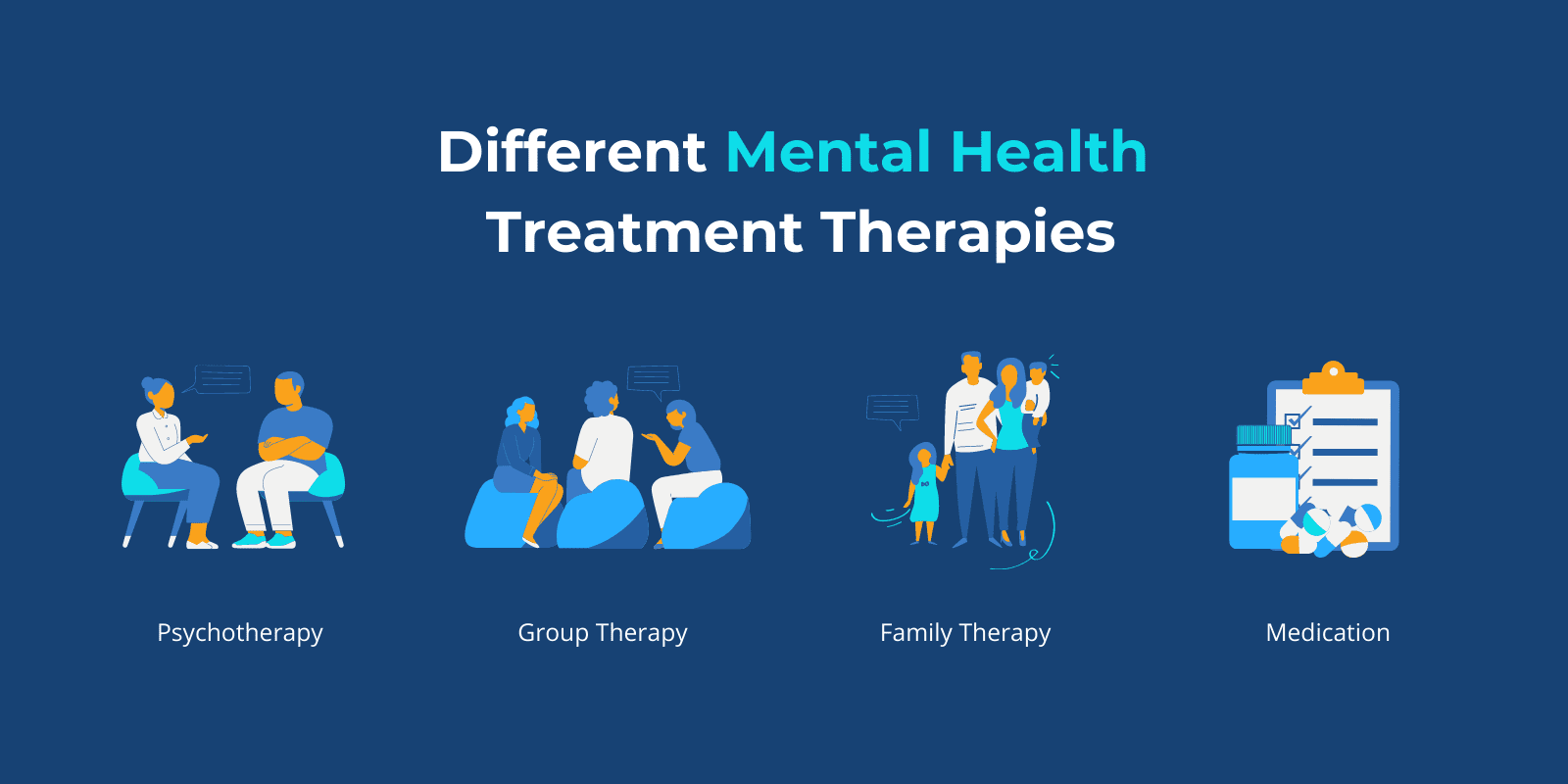
A therapist assists you understand what you're really feeling, supplying support and understanding that can be basing, especially if you've been lugging things alone for a lengthy time. When you remain in the center of tension or uncertainty, it can be hard to see the complete image. Specialists bring an outside perspective that isn't shaped by your past, your connections, or your expectations of yourself.
If you've made it this much and you're still asking on your own, "do I need therapy?" the answer is probably of course. Even if you doubt, trying therapy does not dedicate you to anything long-term. Think about it as an investment in yourself and your well-being. Starting therapy doesn't need to be overwhelming or take months.
Your specialist assists you mirror, make links, and recognize on your own with more clarity. Most sessions finish with a fast check-in to help you feel based and prepared for the week ahead.
Creating Mental Strength Through Individual Therapy
Your therapist can also assist determine which approach fits best based on your objectives and preparedness. It's useful to recognize the difference in between inpatient vs. household therapy, as well as inpatient treatment vs. outpatient care. Optimal therapy takes into account an adolescent's individual demands and background, as well as their extent of their medical diagnosis.
Teenagers may obtain treatment first in an inpatient mental health and wellness system of a medical facility, transfer to a property setup, step down to an outpatient program, and after that receive weekly therapy and/or attend support teams at an area teenager psychological health and wellness. Offered all these choices, it can be hard for moms and dads to differentiate the distinction, allow alone understand what their youngster requires to recover.
Common Symptoms
Within those groups are extra subtle differences. Let's have a look at the difference in between inpatient and residential therapy, in addition to inpatient vs. outpatient psychological health and wellness programs. The major distinctions between inpatient vs. domestic treatment are where it occurs, the length of remain, and the general treatment goals.
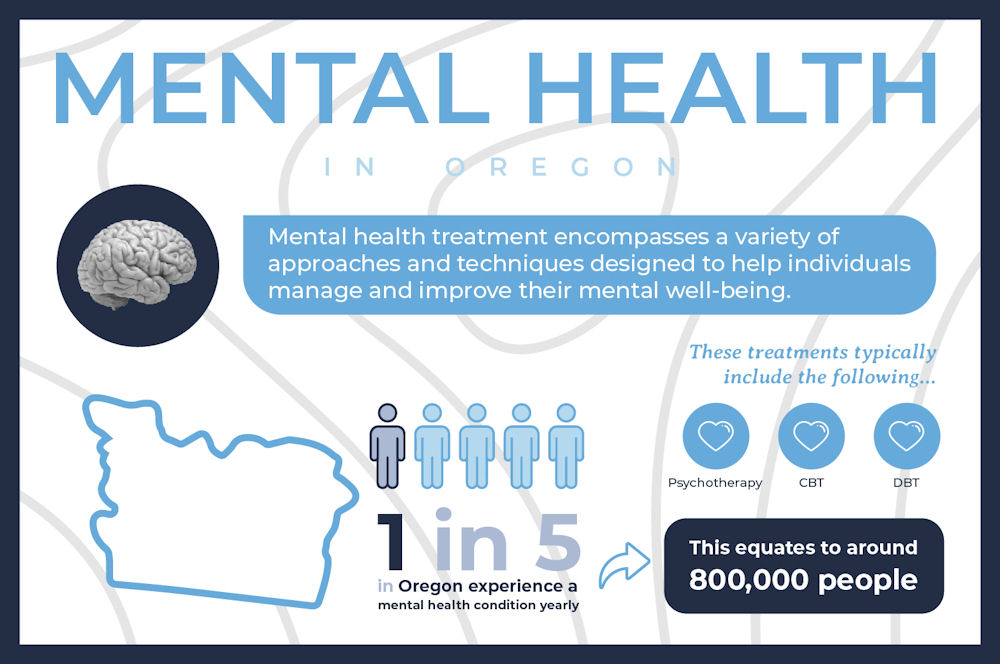
Usually, inpatient therapy is for teens who are in the acute stage of a psychological health condition and require continuous assistance. Thirty days is typically the maximum time for inpatient teenager mental health and wellness therapy.
Addressing Comorbidity in Individual Therapy
Typically, the objective of inpatient therapy is to maintain the individual and guarantee they are not a threat to themselves or others. Following inpatient therapy, teenagers who call for lasting treatment are commonly moved to teen property treatment, sometimes referred to as domestic inpatient therapy.
property therapy, it's handy to understand that property treatment focuses on long-lasting healing instead of situation monitoring. Due to the fact that teenagers stay for one to three months in residential treatment, there is more time to resolve the source of mental health and wellness and behavioral problems. We understand that getting to out can be tough.
A property timetable for teenagers consists of professional treatment, experiential tasks, and academics. While in residential therapy, clients reside in a comfortable, homelike setting and are supervised by experienced staff. Team member consist of psychiatrists, therapists, counselors, nurses, dietitians, and experiential treatment practitioners. As we have seen, property care is normally the next action in a teenager's healing trip after inpatient treatment in a healthcare facility.
Safety Resources and Individual Therapy
It's tough for parents to send their kid far from home. The lasting benefits of this option can be life changing. Research study shows that the structure and ongoing assistance of a property program is the most effective means to accomplish long-term healing from anxiety, anxiousness, injury, and co-occurring behavioral concerns like substance misuse and self-harm.
When investigating psychological wellness choices, it's all-natural to start the search close to home. The finest mental health therapy for a person's specific medical diagnosis and needs might not be available in your area.
Progress Achievement during Your Individual Therapy Experience
Within those groups are extra subtle distinctions. Let's have a look at the distinction in between inpatient and residential treatment, in addition to inpatient vs. outpatient mental wellness programs. The major differences between inpatient vs. property treatment are where it takes location, the size of keep, and the general therapy objectives.
Normally, inpatient treatment is for teenagers that are in the acute phase of a psychological health disorder and need constant support. Inpatient remains often comply with a teen emergency clinic see for a self-destruction attempt or other dilemma scenario. Thirty days is normally the optimum time for inpatient teen mental health and wellness treatment.
Typically, the objective of inpatient treatment is to support the client and ensure they are not a danger to themselves or others. Complying with inpatient treatment, teens who need long-lasting treatment are typically transferred to teen domestic therapy, often referred to as household inpatient therapy.
domestic treatment, it's practical to comprehend that residential treatment focuses on long-lasting healing as opposed to dilemma management. Due to the fact that teens stay for one to 3 months in property care, there is even more time to resolve the origin of psychological health and wellness and behavior issues. We recognize that connecting can be tough.
Assertiveness Development Through Eating Disorder
While in residential treatment, customers live in a comfortable, homey setting and are managed by skilled team. Staff participants consist of psychoanalysts, therapists, counselors, registered nurses, dietitians, and experiential therapy experts.
It's tough for moms and dads to send their child away from home. However, the long-term benefits of this choice can be life altering. Research study reveals that the structure and continuous support of a property program is one of the most effective way to accomplish lasting healing from clinical depression, anxiousness, trauma, and co-occurring behavioral problems like drug abuse and self-harm.
When researching mental health options, it's all-natural to begin the search near to home. The finest psychological health and wellness therapy for a person's specific medical diagnosis and requirements might not be readily available locally. In truth, as an outcome of the existing scarcity of mental health service providers and therapy programs, the likelihood is that the appropriate program will not remain in your prompt location.

Latest Posts
Somatic Experiencing for Overcoming Intergenerational Trauma
Somatic Therapy Across Global Healing Practices
Your Course through Recovery with Trauma-Informed Practice